
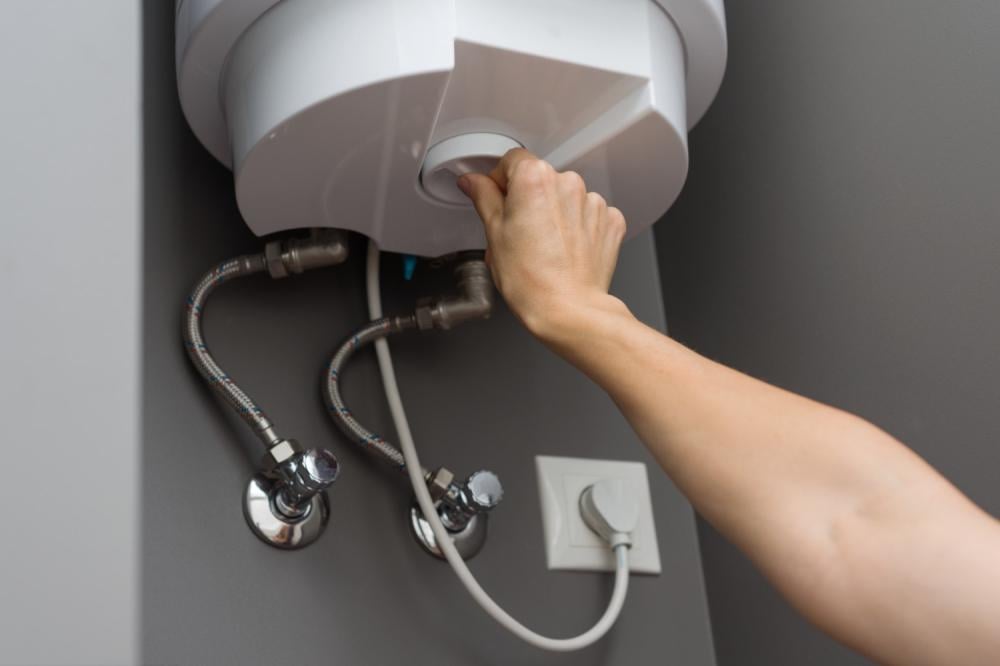
Your water heater is a silent workhorse, providing comfort for showers, cleaning, and daily chores. Like any hardworking appliance, it needs regular care to perform efficiently for years to come. Neglecting maintenance can lead to costly repairs, high energy bills, and premature failure.
Follow this simple guide to extend your water heater's lifespan and ensure it runs efficiently.
1. Check the Pressure Relief Valve Regularly
The Temperature and Pressure Relief (TPR) valve is a critical safety feature that prevents explosions.
- How to test: Lift the valve's lever partway and let it snap back. You should hear a gurgling sound as it releases a burst of water into the drain pipe. If no water flows or it continues to leak, replace the valve immediately.
2. Flush the Tank to Remove Sediment
This is the most important maintenance task. Sediment (like limescale and sand) settles at the bottom of the tank, causing noises, reducing efficiency, and corroding the tank.
- How to do it: Once a year, connect a hose to the drain valve at the bottom of the tank. Place the other end in a floor drain or outside. Turn off the power (or gas), let the tank cool, and open the drain valve. Let the water flow until it runs clear.
3. Test the Anode Rod (The Sacrificial Rod)
The anode rod attracts corrosive elements, sacrificing itself to protect your tank's lining. Once it's depleted, your tank will start to rust.
- How to check: After 2-3 years, use a socket wrench to remove the rod from the top of the tank. If it's less than 1/2 inch thick or heavily coated in calcium, replace it. This can double your tank's life.
4. Adjust the Temperature
An excessively high temperature wastes energy and increases sediment buildup and pressure.
- Optimal Setting: Set your water heater to 120°F (49°C). This is hot enough for household needs while being safe, efficient, and reducing mineral accumulation.
5. Insulate the Tank and Pipes
Insulating your older water heater and the first few feet of its pipes can reduce heat loss by 25-45%, saving on energy bills.
- How to do it: Use a pre-cut insulation blanket for the tank and foam pipe insulation. Ensure you don't cover the top, bottom, thermostat, or TPR valve.
6. Look for Signs of Trouble
Be proactive. If you notice:
- Rusty Water: Could mean a corroding tank or anode rod.
- Rumbling Sounds: Sign of heavy sediment buildup.
- Water Leaks: Often from valves or, worst case, the tank itself.
- No Hot Water: Could be a failed heating element or thermostat.
Address these issues promptly to prevent further damage.
7. Schedule an Annual Professional Inspection
While DIY tasks are great, a licensed technician can perform a comprehensive check of the heating elements, gas connections (if applicable), and overall system safety.
Conclusion
A little maintenance goes a long way. By incorporating these simple steps into your home care routine, you can significantly extend the life of your water heater, ensure your family's safety, and save money. For all your water heater needs, from replacement parts to professional advice, explore our collection today.