
Whether you're painting your home in Riyadh or supervising a construction site in Jeddah, choosing the right ladder isn't just about reaching heights; it's a critical decision regarding safety and efficiency. In this guide, we explore the most common types of ladders in the Saudi market and the essential differences between them.
1. Aluminum Ladders (Lightweight & Budget-Friendly)
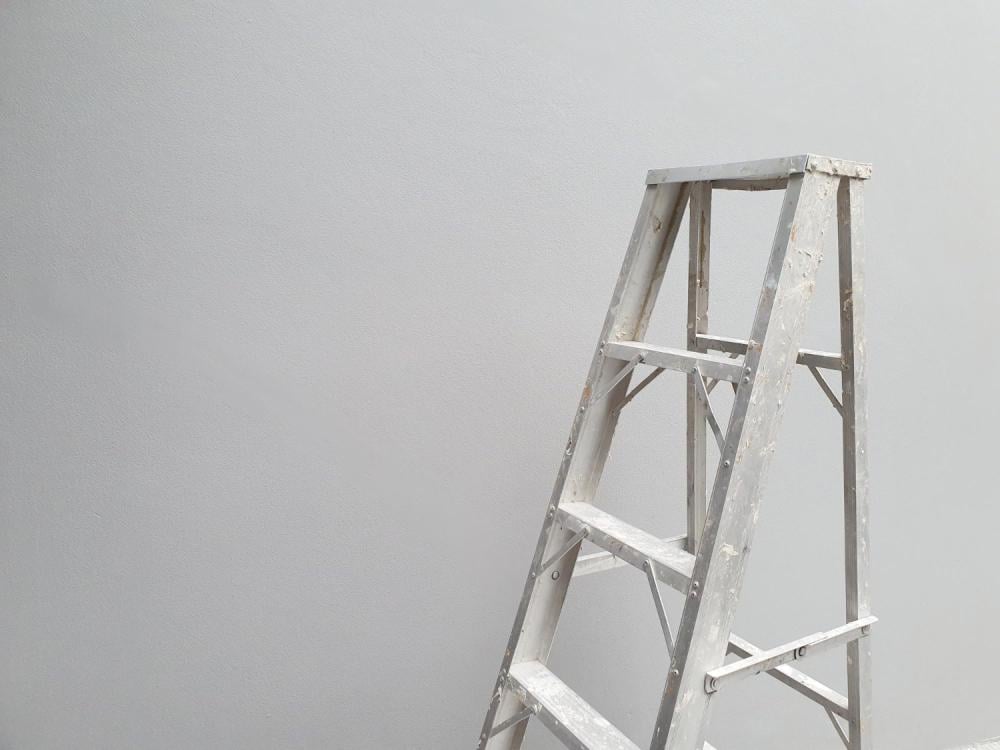
Aluminum ladders are the top choice for homes and small workshops in KSA due to their lightness and rust resistance.
- Pros: They are extremely lightweight, making them easy to move around the house. They are also corrosion-resistant and come at an affordable price point for everyday users.
- KSA Climate Tip: Aluminum conducts heat, so the ladder can become very hot if left under the direct summer sun. Crucially, it also conducts electricity, so it is not recommended for any electrical maintenance or wiring tasks.
2. Fiberglass Ladders (Safety & Professional Grade)
If you are a contractor or a technician working on AC maintenance or electrical installations, this is your primary choice for maximum safety.
- Pros: Fiberglass is non-conductive, making it safe for electrical work. These ladders are heavy-duty, weather-resistant, and provide superior stability at higher elevations compared to aluminum.
- Usage: Ideal for major construction projects and factories in industrial hubs like Dammam and Jubail, where strict safety regulations are in place.
3. Telescopic Ladders (The Space-Saving Solution)
Telescopic (collapsible) ladders have become highly popular in modern apartments and offices in crowded urban areas.
- Pros: They can be retracted to a very compact size, allowing for easy storage in a closet, under a bed, or even in a small car trunk. They are the perfect solution for users with limited storage space.
Safety Tips According to KSA Standards (SASO)
- The 4-to-1 Rule: For every 4 meters of height you need to climb, place the base of the ladder 1 meter away from the wall to ensure proper balance.
- Inspect the Rungs: Always ensure that the ladder rungs are clean and free of oil or water (especially near water tanks) to prevent slipping.
- Load Capacity: Always check the rating label. While domestic ladders usually support up to 100 kg, industrial-grade ladders are designed to handle 150 kg or more.
Conclusion: For simple indoor chores, an aluminum ladder is more than sufficient and cost-effective. However, if your project involves electricity or heavy-duty site work, prioritize your safety and invest in a fiberglass ladder.